I'm a Member of Technical Staff at Reka AI, where I work on
training world models. Most recently I worked on
Rho-1, an omni model
that understands and generates text, images, and video, reasons over them, and takes actions within a single
neural network.
Previously, I was a research scientist at Stability AI working on image and
controllable video generation; before that, I spent six years at Amazon working on computer vision for robotics
and visual search.
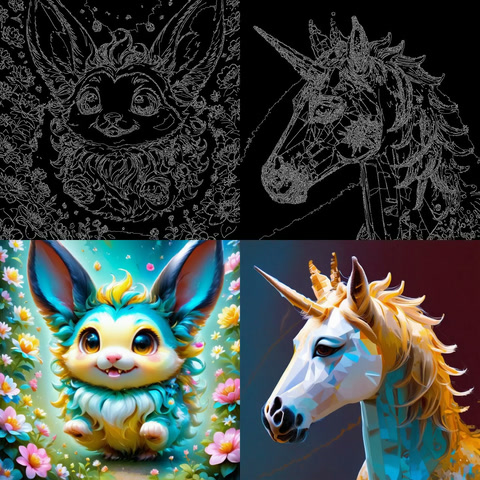
Fall 2024Stable Diffusion 3.5 and its
ControlNets were released. I was a core
contributor to model fine-tuning, evaluation, and the ControlNet training infrastructure.
Research
My research focuses on generative models that understand, generate, and reason with multimodal data, including
language, images, video, and 3D. I'm especially interested in where 2D and 3D vision meet: novel view synthesis,
camera control, and world models that keep a consistent 3D scene. Representative work is
highlighted.
Instead of a pipeline of specialist models, one network handles text, images, video, and robot actions as
tokens in a single context. It is trained from scratch with next-token prediction and
flow matching.
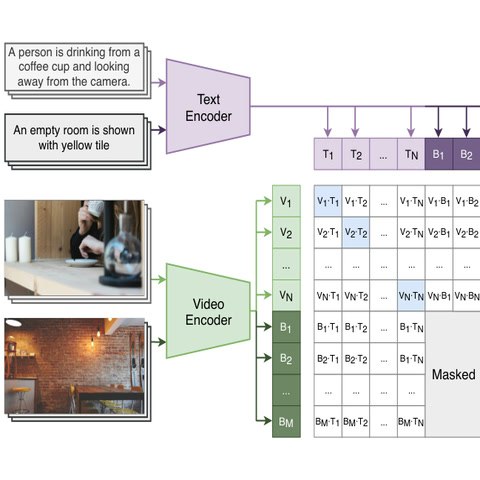
What would a cinematographer ask of a video model? 76 filmmaking controls, 0.25M expert annotations of 20K
videos from 10+ models, and a VLM judge that beats zero-shot baselines.
Animate a portrait from any driving video. Masked facial regions carry the motion, and cross-identity
training keeps the driver's appearance from leaking through.
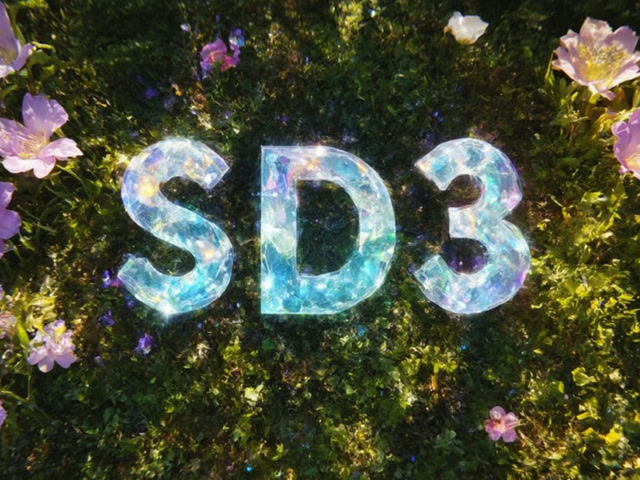
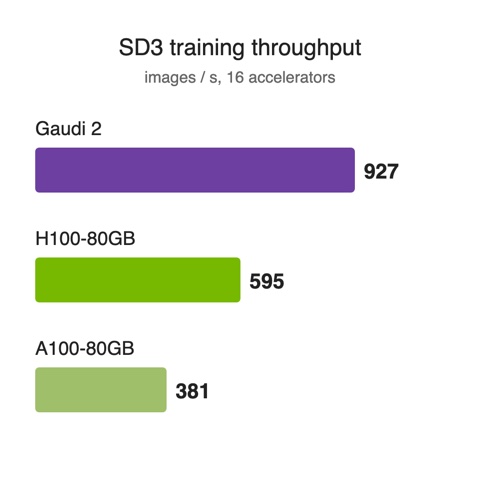
On 16 accelerators,
SD3 trained 1.5× faster on Gaudi 2 than on H100-80GB. Scaled to 256
accelerators, it processed over 3× more images per second than A100-80GB.
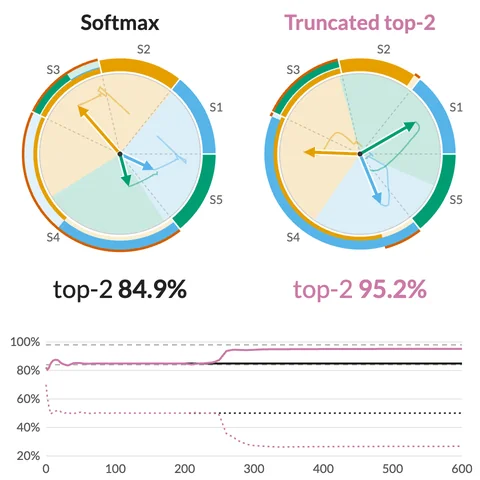
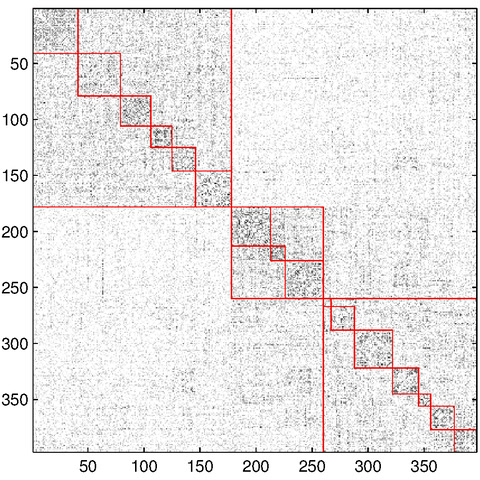
If you are graded on top-5 error, train for it. We introduce the smooth top-k SVM and top-k entropy losses,
which improve the top-k accuracy they target across 11 datasets.
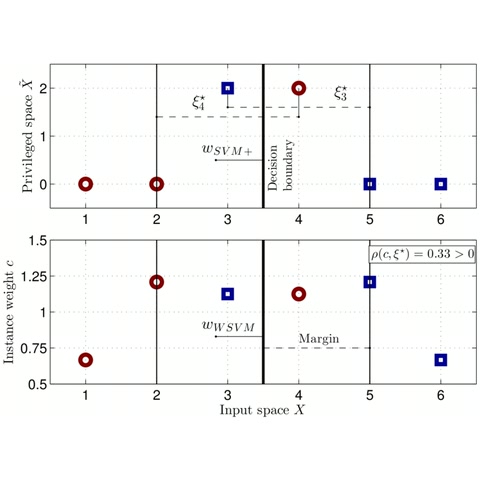
Weighted SVM can always replicate an
SVM+ solution. SVM+ turns out to be a weighted SVM in disguise, so
privileged information is best spent deciding which training examples matter.
Fast multiclass and multilabel training with
stochastic dual coordinate ascent, and the reference
implementation of the top-k SVM and top-k entropy losses. A new release, with numerical fixes and
performance improvements, is on the way.
Catch damaged items before they ship. I led the science roadmap and built one of the deployed models,
which treats anomaly detection on RGB-D images as retrieval.
Outcome: high detection recall with few false positives.